The First Question Americans Don't Get Asked — And Why It Feels Like a Vacation
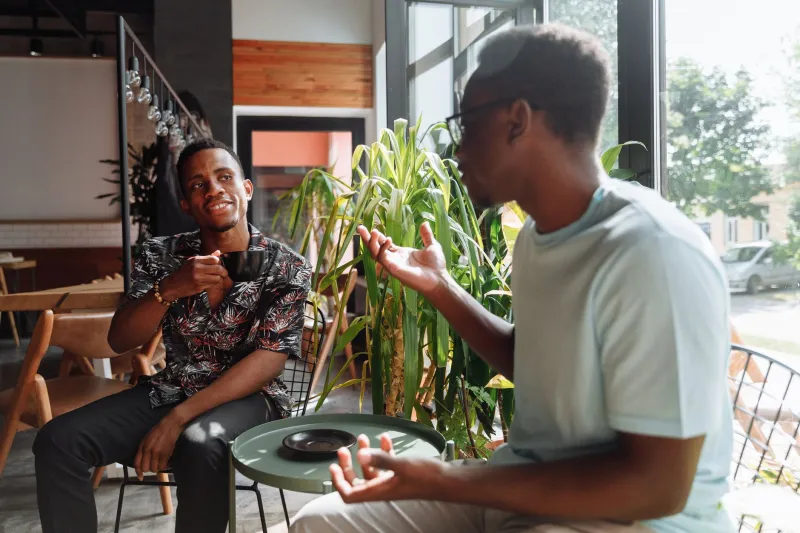
Picture the scene: you're at a party, someone new walks up, and within thirty seconds they've asked what you do for a living. If you're American, that's not rude — that's just Tuesday. Career identity is so baked into American small talk that skipping it feels almost suspicious. Like you're hiding something.
Now imagine moving to Japan, or even just spending real time with Japanese people — whether that's in Tokyo, at a language exchange meetup, or through an online conversation partner. You wait for the question. It doesn't come. And somewhere around the third or fourth conversation, you realize: nobody is going to ask.
For a lot of Americans, that moment is quietly life-changing.
Why 'What Do You Do?' Is Such a Big Deal in America
It's worth pausing to understand why Americans lead with career in the first place. In a country that was quite literally built on the idea that hard work equals identity, what you do professionally signals who you are as a person. Your job is your origin story, your ambition, your tribe. Saying "I'm in tech" or "I'm a teacher" isn't just answering a question — it's placing yourself on a social map that other people can immediately read.
That's efficient in some ways. But it also means every first conversation becomes a kind of audition. You're not just chatting — you're being assessed. And if your job title isn't impressive, or if you're between jobs, or if you're doing something you're not proud of, that opening question can feel like a trap.
Americans who've been laid off, are freelancing through a rough patch, or are just plain burned out on their careers know this feeling well. The small talk ritual that's supposed to connect people can end up making them feel worse about themselves.
What Japanese Conversation Prioritizes Instead
Japanese small talk operates on a different set of values. Rather than jumping to professional status, conversations tend to open with observations about shared surroundings, the weather (yes, really — but in a more genuine way than Americans might assume), food, where someone is from, or what they've been enjoying lately. The goal isn't to establish hierarchy. It's to find a comfortable rhythm.
This isn't just politeness for politeness's sake. It reflects something deeper in Japanese communication culture — a preference for ma, that sense of comfortable space and pacing, over the rapid-fire information exchange that American networking culture tends to reward. You're not trying to figure out where someone ranks. You're trying to figure out whether you like them.
Career does come up eventually, of course. Japan has its own professional culture and its own status dynamics. But it tends to arrive later in a relationship, after some trust has been established — not as the opening move.
What Americans Actually Feel When That Pressure Disappears
Talk to Americans who've spent time in Japan, or who've built friendships through Japanese conversation exchange communities, and you'll hear a version of the same story over and over.
"I didn't realize how much of my self-worth was tied to my job title until nobody asked about it," one user shared in a そうだん.net discussion thread. "It was like taking off a backpack I didn't know I was wearing."
Another described meeting her Japanese conversation partner during a period when she'd just left a high-pressure marketing job. "Back home, I was dreading every social event because I didn't want to explain myself. But she never asked. We just talked about food and travel and what made us laugh. I remembered that I was an interesting person, not just an employee."
That kind of relief is real. And it points to something that cross-cultural friendships can offer that same-culture friendships sometimes can't: a reset. A chance to be known outside the categories your own culture uses to sort people.
It Goes Both Ways
Here's the flip side, and it's worth being honest about: Japanese people who spend time around Americans sometimes find the career-first approach jarring in its own way. When someone leads with their job title and LinkedIn-ready summary, it can feel performative — like they're presenting a resume instead of a person.
But Japanese visitors and immigrants in America also report something interesting: once they understand the American convention, they find it easier to navigate than they expected. The directness, while initially startling, removes a certain kind of guesswork. You know what someone does. You can ask follow-up questions. There's a script to follow.
Neither approach is universally better. They're just different tools for the same job: figuring out whether you want to keep talking to someone.
What This Means for Language Learners and Expats
If you're learning Japanese or planning time in Japan, this cultural difference is worth internalizing before you arrive. Resist the American instinct to establish your professional credentials early. Let conversations breathe. Ask about food preferences, recent trips, things that have been making someone happy or stressed lately — in a general, low-stakes way.
You'll likely find that Japanese conversation partners appreciate the space. And you might find that you do too.
For expats already living in Japan, this shift can be one of the more unexpectedly healing parts of the experience. When your job doesn't define your social value, you get to figure out what does. That's a question worth sitting with — and a pretty good reason to keep the conversation going.
Let's Talk About It
Have you ever felt the difference between career-forward American small talk and the more open-ended way conversations start in Japan? Whether you've lived abroad, connected with Japanese friends online, or just noticed the contrast through language exchange, we'd love to hear your take.
Drop into the そうだん.net community and share your experience. Sometimes the most interesting conversations start with not asking the obvious question.